Industrial HSE Software:
Digitize Your Safety Processes
On an industrial site, safety is not managed in a binder. It happens in the field — when a contractor starts work, when equipment needs to be shut down, or when a work authorization has to be issued.
Leaneo, an EHS software solution designed for industry, digitalizes all these safety processes within a single platform and connects them together, so every intervention is carried out under the right conditions — with no paperwork, no duplicate data entry, and no blind spots.
Safety Challenges on Industrial Sites
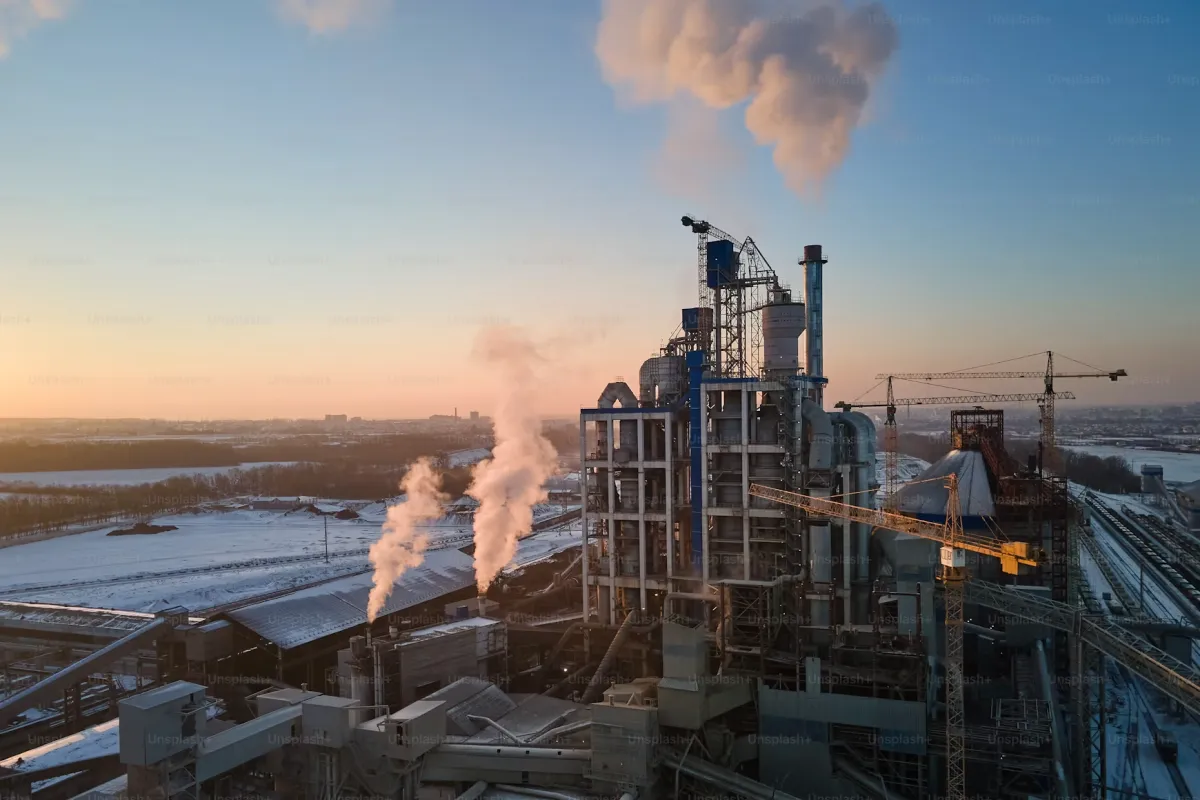
Whether it is a manufacturing plant, a chemical site, or an energy facility, industrial environments face the same challenges: a high level of simultaneous activity between internal teams and external contractors, maintenance shutdowns concentrated into short timeframes, and demanding regulatory requirements — especially on sites classified under Seveso or ICPE (Highly regulated industrial sites) regulations.
In this context, paper-based processes and scattered files quickly show their limitations: documents cannot be found when an audit takes place, authorizations are issued before all required conditions are met, and critical information does not always reach the people carrying out the work.
Every break in the flow of information creates a potential risk.
Digitalizing safety processes directly addresses this issue. A true industrial safety software solution does more than simply replace paper with a screen: it structures how operations are carried out and connected.
More than forms. One platform for your entire safety process.
Leaneo’s strength in industrial environments is built on a simple idea: your safety processes are not independent from one another, so your software should not treat them as if they were.
With Leaneo, you can design workflows that reflect the way your organization actually operates, then connect them using blocking conditions. In practice:
- a work authorization cannot be issued until the relevant equipment has been properly locked out in the software;
- an additional permit can only be issued if the associated work authorization is valid;
- work involving an external contractor can only begin once the prevention plan has been signed and distributed.
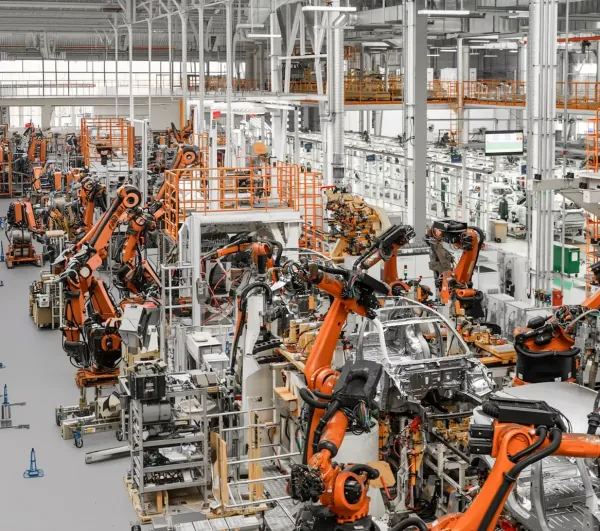
Linking workflows in this way turns your safety rules into automatic safeguards. Compliance with the correct sequence no longer relies solely on individual vigilance: the process itself enforces it.
On a high-risk industrial site, that makes all the difference.
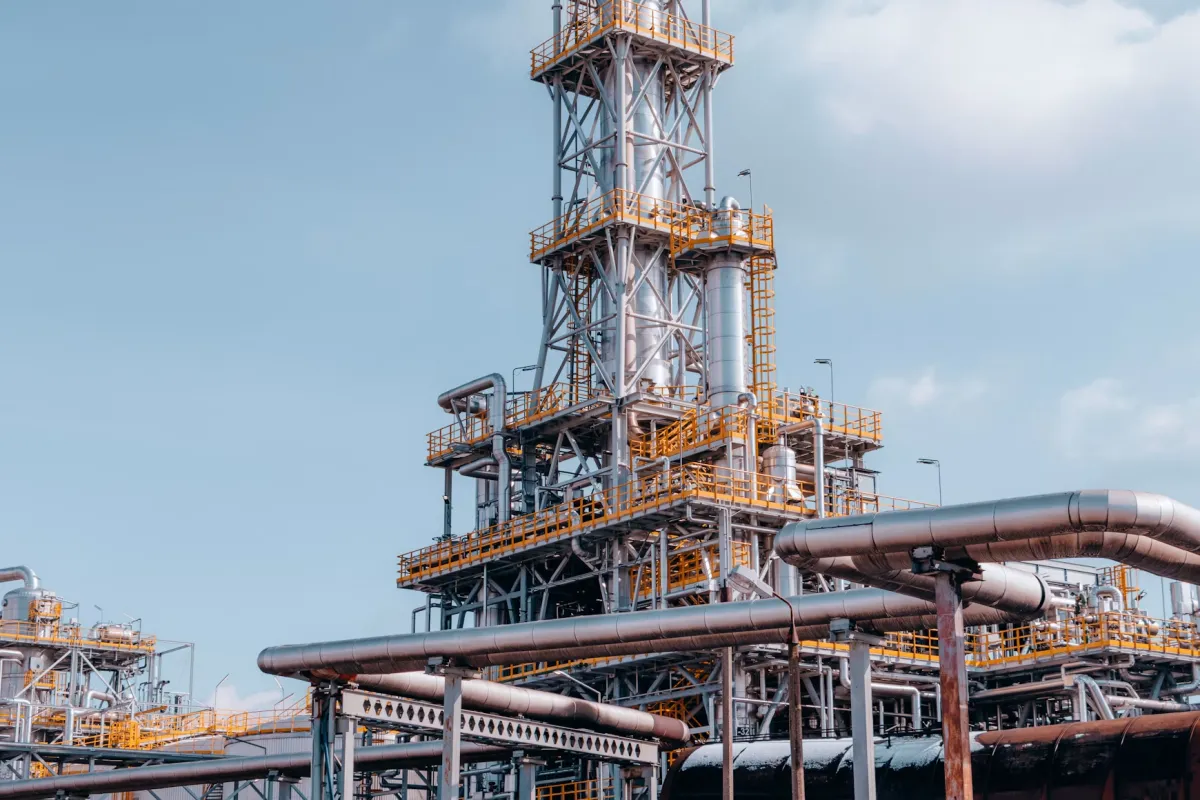
Build custom processes, without the need for an IT project
Every industrial site has its own rules, permit formats, and approval processes. Unlike a generic safety management software, Leaneo adapts to the way your organization works — not the other way around.
Workflows are configured with you in just a few days, with no custom development and no IT project required.
Your teams keep the documents, terminology, and approval flows they already know, now in a digital format and available on the go — on tablets or smartphones, even offline.
They digitalize their safety processes with Leaneo
Food processing, power generation, industrial minerals: three groups, three very different organizations, one platform configured around the way they work. These three customer stories show how the same process-driven approach can be applied to industrial environments that, at first glance, have very little in common.
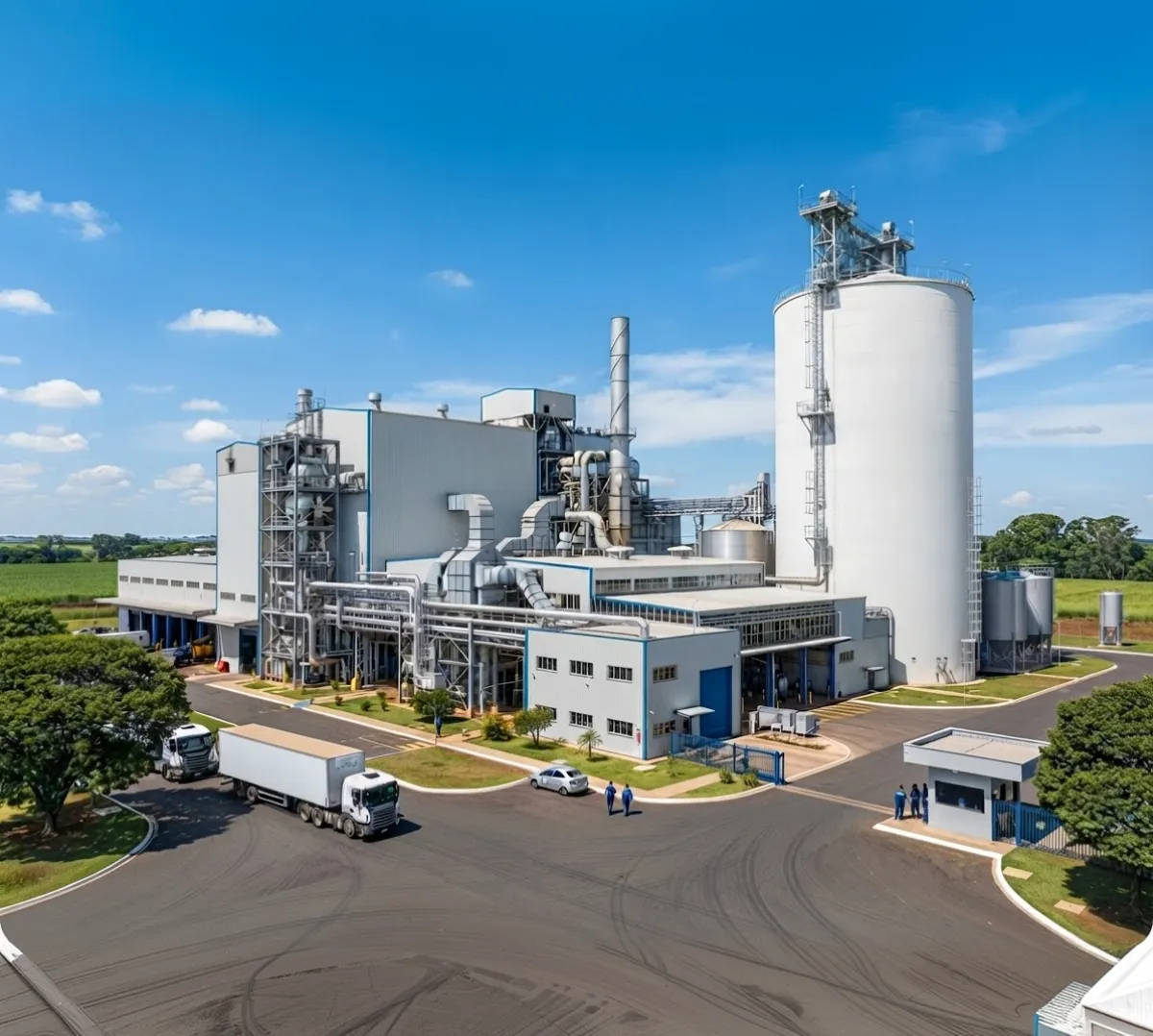
TEREOS: Connected Safety Processes for a Seveso Site
Tereos, an international agro-industrial cooperative group, uses Leaneo at one of its Seveso-classified production sites. On this type of site, every intervention involving an external contractor is subject to strict requirements: nothing can be left to ad hoc decisions.
Today, Tereos teams manage their entire safety process in Leaneo: prevention plans established with each contractor, equipment handover and lockout procedures before work begins, work authorizations issued only once all prerequisite conditions have been met, and additional permits associated with the most sensitive interventions.
For a Seveso site, the key advantage is that workflows are interconnected. A work authorization cannot be issued until the equipment lockout has been validated in the software. Safety rules are no longer just instructions to follow: they are enforced by the process itself. The result is complete traceability for every intervention, with all related documents available at any time in the event of an audit or inspection.
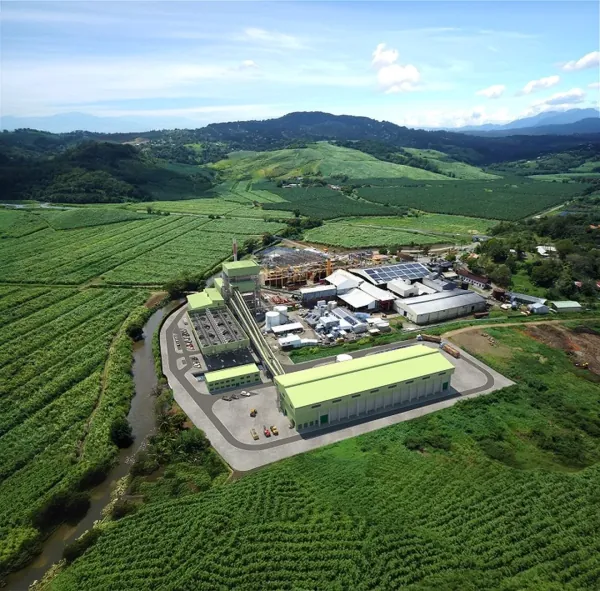
Albioma : Connected Safety Operations, from Guadeloupe to Réunion Island
Albioma is an independent renewable energy producer with a strong presence in France’s overseas territories. Its facilities operate continuously, which means every maintenance intervention must be planned with great precision, often on equipment that is energized or under pressure.
What makes Albioma’s operations distinctive is the way its work sites are structured. A large-scale intervention — such as a unit shutdown — can involve several teams working in parallel on the same group of equipment that has been taken out of service. Leaneo makes it possible to model this operational reality:
- each work authorization has its own lockout procedures, specific to the equipment concerned;
- the same authorization can also be linked to a parent lockout covering the installation as a whole;
- a work authorization can therefore be both the child of a global lockout and the parent of its own local lockouts.
This hierarchical management of lockouts provides an immediate overview of the lockout status of the entire installation, while also giving detailed visibility into each ongoing intervention. When a parent lockout is removed, teams can instantly identify which dependent work authorizations are affected.
The Albioma rollout also demonstrated the platform’s ability to adapt to sites of very different sizes. A power plant in Guadeloupe and a facility on Réunion Island have very different workloads, workforce sizes and team structures. Yet the same underlying process principles apply to both, with workflows tailored to each site’s requirements. This is precisely the flexibility a rigid system cannot offer.
A Common Safety Framework Across Multiple Sites
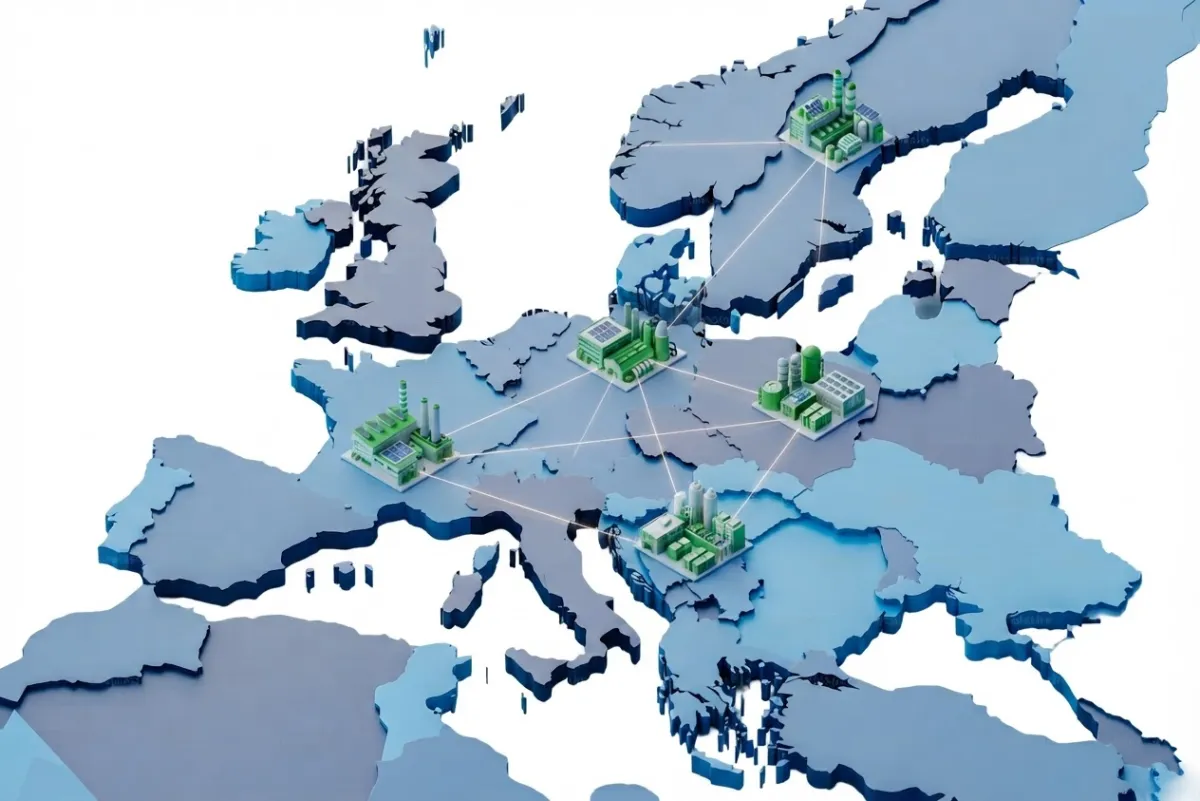
Our client, a large international industrial group, operates several dozen sites across France, including extraction sites, production facilities, and processing plants.
For an organization of this size, the challenge is no longer just to digitalize a process. It is to ensure that the same standards and practices are applied consistently across every site. The group uses Leaneo for multi-site management, based on a simple principle: a common foundation of rules and document templates for the entire organization, combined with enough flexibility for each site to retain its own specific requirements, equipment, risk areas, and regular contractors.
The benefits of a multi-site deployment are immediate. A single shared framework prevents each site from creating its own forms from scratch. Group-level managers can compare activity, intervention volumes, and key safety issues across sites using the same reference base. And when a new site joins the platform, it can build on what has already been implemented elsewhere instead of starting from a blank page.
How Digitalization Improves Day-to-Day Operations
Frequently Asked Questions
Is Leaneo suitable for Seveso sites and other highly regulated industrial facilities?
Yes. Leaneo is already used in production on Seveso-classified sites, including a Tereos facility. Its interconnected workflows ensure that a work authorization cannot be issued until all required prerequisites have been validated, helping meet the strict safety requirements of these highly regulated environments.
Can multiple industrial sites be managed on a single platform?
Yes, this is how OMYA uses Leaneo. Multi-site management makes it possible to share a common set of rules and templates across all sites within the group, while allowing each site to retain its local specificities. Group-level management can then rely on consistent data.
Does the software support hierarchical lockout management?
Yes. As at Albioma, a work permit can have its own lockout procedures while being linked to an overall lockout covering the entire installation. These nested lockouts reflect the reality of planned shutdowns, where several teams work simultaneously under the same equipment shutdown.
What is the difference between Leaneo and a traditional safety management software?
Traditional QHSE software digitizes documents. Leaneo digitizes processes: interconnected safety workflows ensure that each step can only be completed once the previous conditions have been met. It brings real-world field operations into the software.
Is an IT project required to deploy Leaneo?
No. Leaneo is a SaaS solution accessible from a web browser, tablet, or smartphone. Workflows are configured with your teams in just a few days, without any custom development.
Do external contractors need any specific equipment?
No. Your service providers can access the platform to view relevant documents, sign them, and review site requirements, without having to install any software.
Digitize Your Industrial Site's Safety Processes
Discover in 30 minutes how Leaneo can connect your Prevention Plans, LOTO procedures, Work Permits, and other industrial permits—with your own rules, documents, and approval workflows.